The 'Employee of the Month' Who Divided the Team: Individualism, Collectivism, and the Cultural Blind Spot
 1 / 2
 2 / 2
Originally published in
El Financiero
October 3, 2026
A company based in the United States decides to publicly recognize its top saleswoman in Costa Rica: a bonus, a prominent mention in the monthly meeting, and a photo in the internal newsletter.
From Palo Alto, the logic is simple: individual performance is rewarded to motivate everyone to reach that level. In San José, the result was the opposite: the saleswoman began to feel uncomfortable in front of her colleagues, several co-workers stopped sharing information with her as openly as before, and team morale dropped that quarter instead of rising.
No one did anything "wrong" on purpose, and that's the uncomfortable part: what clashed was individualism versus collectivism, one of the most studied and least understood cultural dimensions by those who design human resources policies from a single headquarters.
Geert Hofstede was a Dutch social psychologist who, in the 1970s, while working for IBM, compared how employees of the same company in over 50 countries thought and made decisions. From this, he developed a model of cultural dimensions that remains a mandatory reference in international business today. On his scale, the United States scores 91 out of 100 in individualism, one of the highest in the world; Costa Rica, with only 15 out of 100, is almost the opposite mirror.
If you manage a Costa Rican team that reports to a U.S. parent company, or design compensation policies intended for one market and applied in another without adjustment, you have likely seen a version of this story. This is not an HR issue: it is the point I want to develop in this column, because understanding these differences and using them to your advantage is a capability that Costa Rica needs to build deliberately, not leave to the improvisation of each manager.
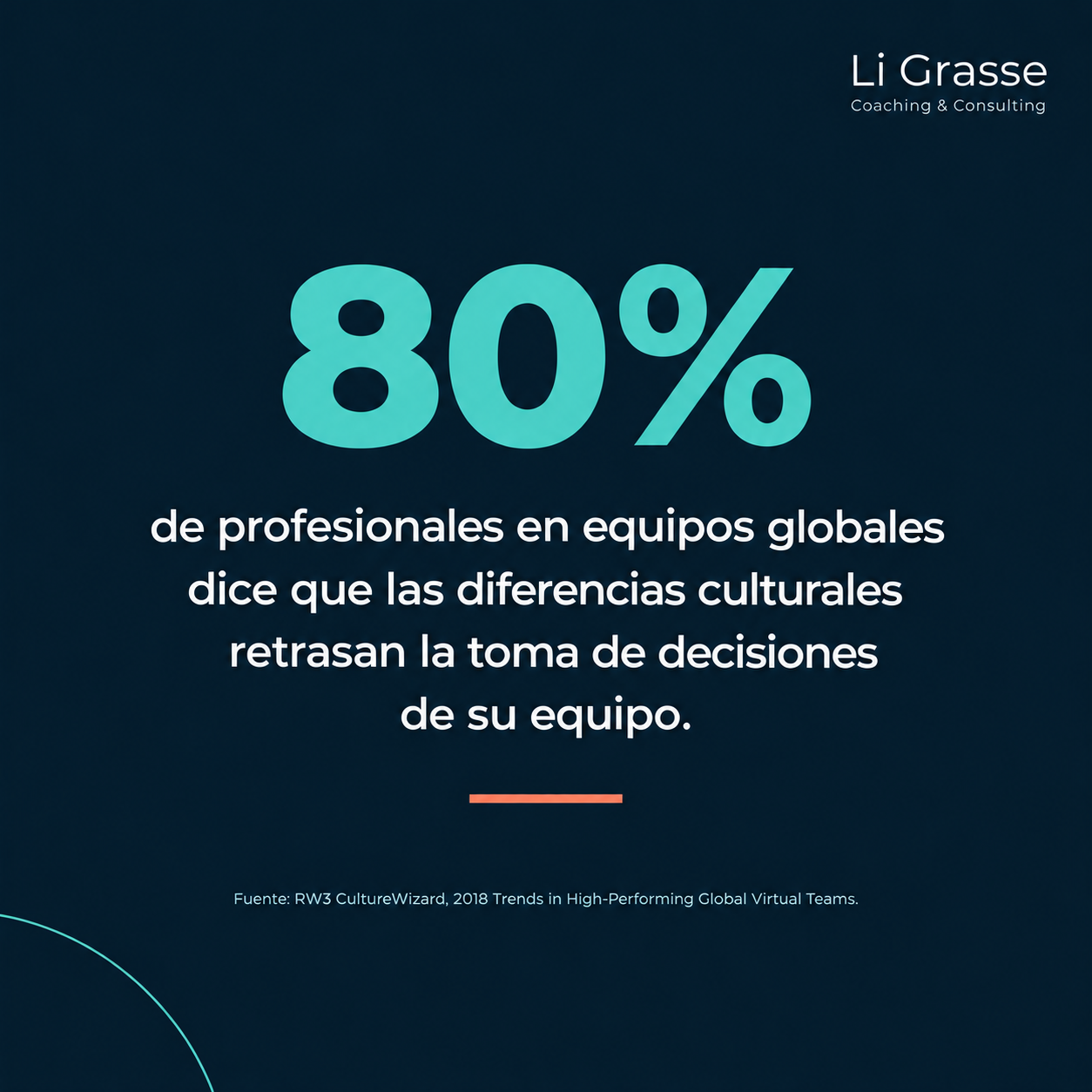
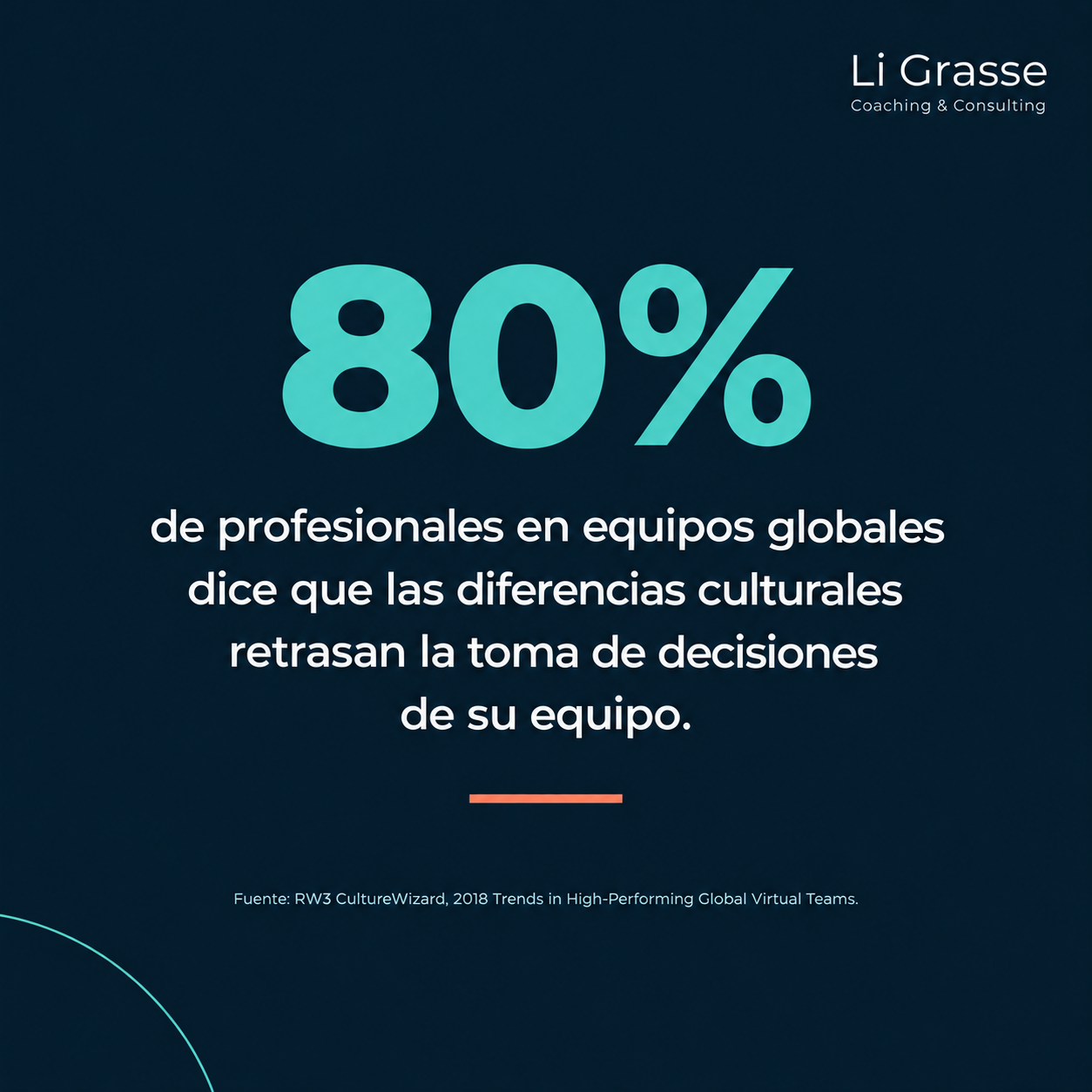
We are not talking about a minor problem. Teams that fail to align these differences perform below their potential, fall behind without a clear cause, and accumulate decisions that each side interprets differently. I have seen this time and again working with Costa Rican companies that operate with clients or parent companies in the United States: the problem is almost never technical competence. It is an untranslated cultural code.
How Much Risk Does Each Culture Tolerate
Individualism is not the only variable at play, and probably not even the one that generates the most friction day to day. Hofstede also measured uncertainty avoidance: how comfortable a culture is with making decisions with incomplete information. Here, Costa Rica scores 86 out of 100, and the United States barely 46. In practice, a U.S. team typically launches an imperfect version of the product, measures, and adjusts on the fly; a Costa Rican team prefers more certainty, more approvals, and a more closed plan before moving a single piece.
This explains a complaint heard in both directions without anyone naming it correctly: from the U.S. headquarters, "the team in Costa Rica is slow to decide"; from Costa Rica, "they ask us to move forward without the necessary information." Neither team is wrong: they operate with different risk thresholds, calibrated by decades of culture, not by a lack of ability or commitment. And it is almost never said aloud what the exact problem is that I want to raise: it is not about changing how each team thinks, but about naming the difference before it becomes a conflict.
Differences in Meetings
If these two dimensions (individualism and risk tolerance) clash at any specific moment in daily life, it is in the weekly meeting: a U.S. team expects to move forward quickly with clear decisions, and a Costa Rican team expects sufficient context and consensus before committing. Without adjusting the format, both sides leave frustrated, and no one says it out loud.
A structure that works well divides the meeting into four blocks with fixed times: five minutes of shared context; ten minutes where each person contributes, in order, without interruptions (this matters in teams with high power distance, where the most junior rarely speaks unless directly asked); ten minutes to decide; and a final five minutes to confirm aloud what was decided and who is responsible for what.
That last block seems the simplest, and it is the one that avoids the most friction: in a low-context culture, the decision is clear as soon as it is stated, while in a high-context culture, it is common to leave with a different interpretation of what was agreed upon. Confirming aloud eliminates this gap before it becomes a problem three weeks later.
Two more adjustments for this combination of high individualism and low uncertainty avoidance: recognize teamwork, not just the outstanding individual, in any communication reaching Costa Rica; and, on the Costa Rican side, explicitly state when more time is needed, instead of giving the impression of agreeing when in reality space is being requested. None of these adjustments cost money: they cost the discipline of naming the difference aloud, once.
The Business Case Already Exists
The context does not help: between August 2025 and January 2026, several multinational companies announced closures or cutbacks in Costa Rica, and employment in free trade zones fell for the first time in seven years, mainly due to the exchange rate and new tariffs, not cultural friction.
But that context changes the playing field: when cost ceases to be the competitive advantage it once was, what remains to differentiate one country from another with similar wages is the quality of the working relationship with those parent companies.
McKinsey found that companies with greater cultural diversity, when that diversity is well-managed, are 36% more profitable than those that do not manage it; the key is in "well-managed," not just having it.
This is what I want to put forward: Costa Rica today competes with countries that are probably not yet asking themselves this question, and building this capability deliberately, not leaving it to the chance of each manager, is the advantage that no exchange rate can take away.
---
Li Grasse is a business consultant and facilitator of the Global Team Alignment Framework™. She supports collaboration and communication processes in global teams of multinational companies in Costa Rica, the United States, and Germany.
Li Grasse
Cross-cultural leadership coach and consultant